


-

Add: HeBei ShengShi HongBang Cellulose Technology CO.,LTD.
-

Email
13180486930@163.com -

CONTACT US
+86 13180486930



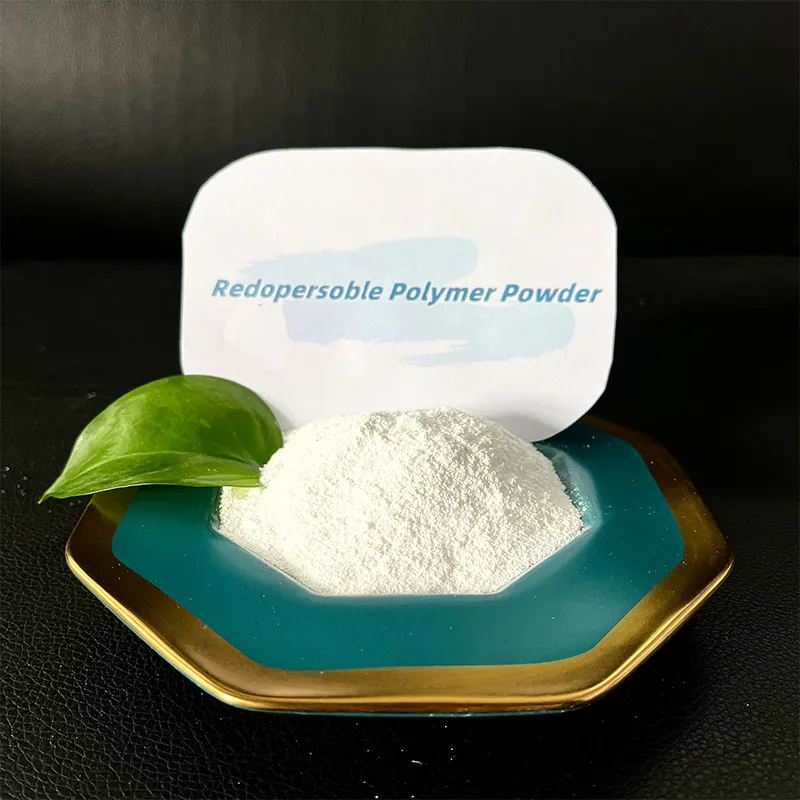
The Cost of Polypropylene Fiber An Overview Polypropylene fiber, derived from the polymerization of propylene monomers, is a synthetic material that has been gaining traction in various industries due to its unique properties and cost-effectiveness. As the demand for durable and versatile materials rises, so does interest in understanding the cost implications associated with polypropylene fiber. This article aims to explore the factors affecting the cost of polypropylene fiber, its applications, and its overall economic impact. Understanding Polypropylene Fiber Polypropylene is one of the most widely used plastics in the world. It is recognized for its lightweight nature, chemical resistance, moisture-wicking capabilities, and structural durability. These characteristics make it an excellent choice for a variety of applications, including textiles, automotive components, and packaging materials. The resulting fiber is soft, resistant to staining, and can be produced in a variety of colors, further enhancing its usability in consumer products. Factors Influencing the Cost 1. Raw Material Prices The primary factor determining the cost of polypropylene fiber is the price of propylene, the primary raw material used in its production. Fluctuations in oil prices significantly impact the cost of propylene, as it is derived from fossil fuels. As global oil prices rise or fall, so too does the cost of polypropylene fiber. 2. Production Technology The method of production also affects costs. Advances in manufacturing technologies can streamline production processes and reduce costs. For instance, the implementation of more efficient machinery or environmentally friendly production methods can yield lower operational costs, which may be passed on to consumers. 3. Supply and Demand Like any commodity, the cost of polypropylene fiber is subject to the laws of supply and demand. In periods of high demand—such as during the surge in production of protective equipment during the COVID-19 pandemic—prices may increase sharply. Conversely, surplus production or a decline in demand can lead to lower prices. costo de fibra de polipropileno 4. Geopolitical Factors Political stability in oil-producing regions can affect the supply and price of propylene. Trade tariffs, sanctions, or conflicts can disrupt supply chains, leading to increased material costs, which in turn influence the cost of polypropylene fiber. 5. Market Competition The competitiveness of the polypropylene market also plays a vital role. The entry of new suppliers can drive prices down, while monopolistic conditions can lead to higher prices. The global nature of the fiber market means that competition from manufacturers in different regions can also affect local pricing. Applications of Polypropylene Fiber The versatility of polypropylene fiber allows for its use in numerous applications. In the textile industry, it is common in the production of carpets, upholstery, and outdoor fabrics due to its resistance to moisture and mildew. The automotive sector utilizes polypropylene fiber for interior components, as it is lightweight and aids in fuel efficiency. Furthermore, polypropylene fibers are utilized in geotextiles for soil stabilization, erosion control, and drainage systems. Economic Impact The economic implications of polypropylene fiber production extend beyond its cost. It supports a range of industries, creating jobs and stimulating economic growth. As manufacturers adapt to changing market dynamics and consumer preferences, innovative uses for polypropylene fiber continue to emerge, driving further demand. In conclusion, the cost of polypropylene fiber is influenced by a variety of factors including raw material prices, production technology, supply and demand dynamics, geopolitical conditions, and market competition. Its diverse applications and economic implications make it a significant player in the manufacturing landscape. As industries continue to seek sustainable and efficient materials, understanding these cost dynamics will be crucial for businesses and consumers alike in making informed decisions. The future of polypropylene fiber is undoubtedly tied to evolving market conditions and technological advancements, promising ongoing relevance in a rapidly changing world.
- 40000tons

Production
- 20+years

Experience
- 5000+㎡

Acreage

-
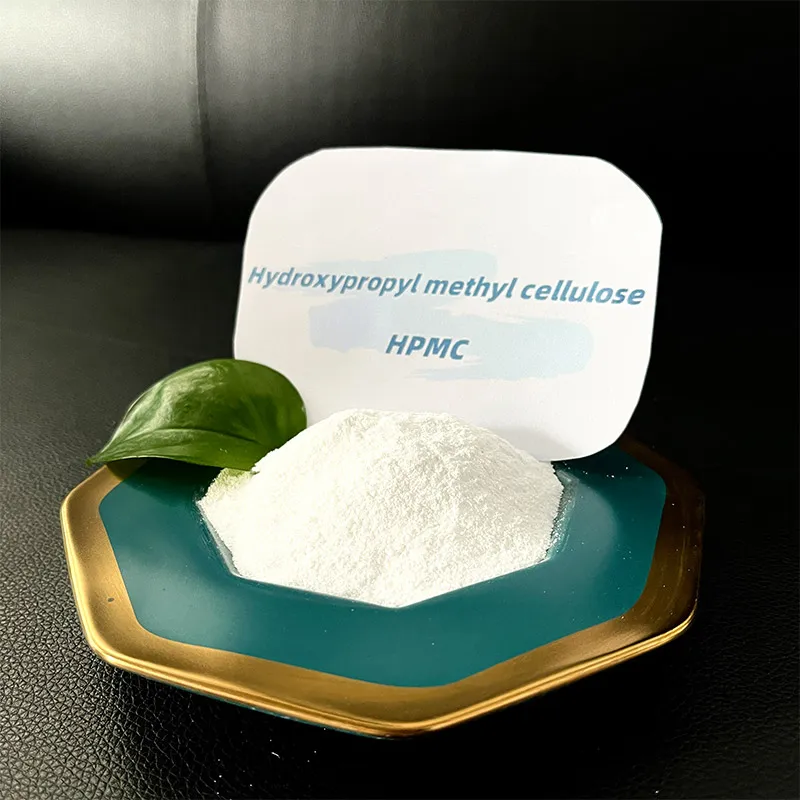
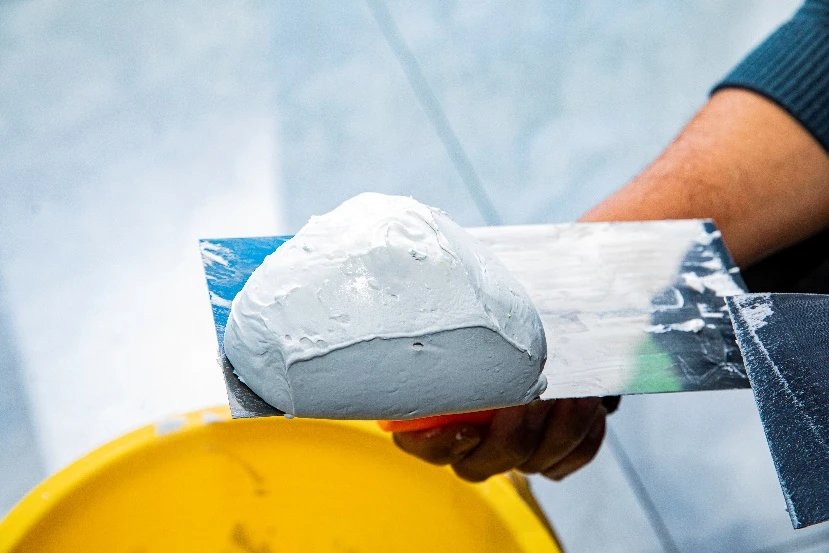
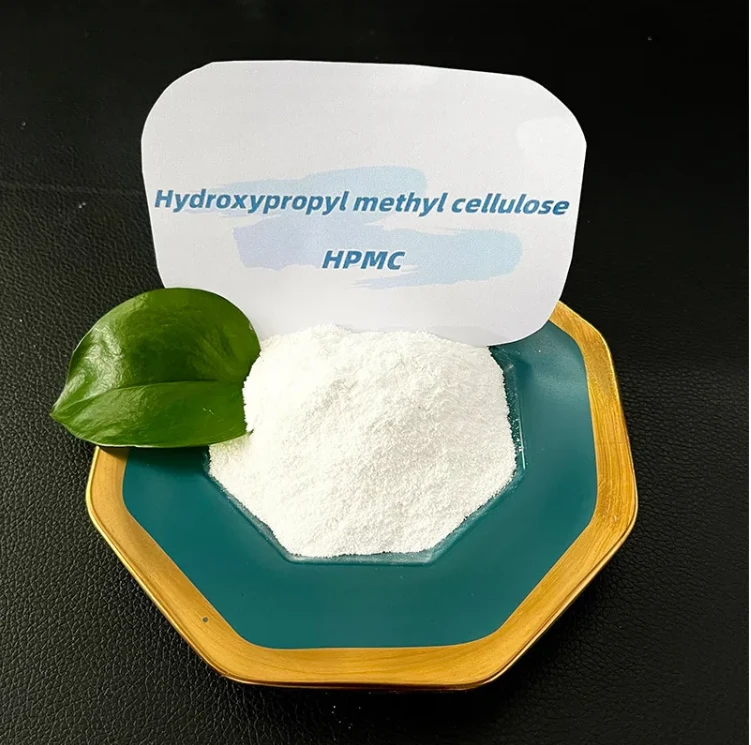
Hydroxypropyl methylcellulose (HPMC) is an intriguing compound that has carved its niche in the product world due to its multifaceted applications and properties. As someone deeply experienced in the domain of cellulose derivatives, I can attest to the remarkable benefits and versatility of HPMC, which transcend its basic chemical composition. To begin with, understanding HPMC's chemical structure is crucial for leveraging its full potential. HPMC is a chemically modified cellulose ether, derived from cellulose, one of the most abundant natural polymers. This modification endows it with water solubility and surface activity, making it incredibly useful in industries ranging from pharmaceuticals to construction. In the pharmaceutical domain, HPMC is lauded for its proven efficacy as an excipient. Its role as a film-coating agent helps in the sustained release of active ingredients, thereby enhancing the therapeutic efficacy and patient compliance. I have observed firsthand how pharmaceutical formulations utilizing HPMC achieve consistent drug delivery, which is critical in chronic health conditions where dosage accuracy is paramount. Moreover, HPMC's application in the food industry cannot be overstated. As a food additive, it functions as a thickening, stabilizing, and emulsifying agent, all of which are essential for the texture and shelf life of various products. Its non-toxic and non-allergic properties further underscore its safety, a factor that is heavily scrutinized in food manufacturing. In the construction sector, HPMC stands out as a game-changer. It plays a crucial role in the formulation of construction materials such as tile adhesives, wall putties, and cement renders. Based on my experience in the field, HPMC contributes to improved workability, water retention, and open time of cement-based products. This ensures that construction tasks are executed with higher precision and durability, qualities that professionals continuously seek in materials. hpmc hydroxypropyl methylcellulose From an authoritative standpoint, the global acceptance and regulatory approvals of HPMC speak volumes about its trustworthiness and reliability. The compound complies with numerous international standards, including those set by the US FDA and the European Food Safety Authority (EFSA), reinforcing its credibility in its varied applications. Furthermore, as sustainability becomes increasingly vital, HPMC's inherent biodegradability positions it as a preferable choice over synthetic alternatives. Companies aiming to enhance their environmental footprint find HPMC a suitable ally in reducing the carbon impact traditionally associated with certain manufacturing processes. In my expert opinion, businesses and consumers alike should harness the full potential of HPMC by understanding its diverse applications and the scientific principles governing its functionality. This knowledge empowers informed decision-making, ensuring that HPMC is not only utilized effectively but also ethically, in alignment with global sustainability goals. In conclusion, hydroxypropyl methylcellulose is not merely a product but a transformative material that embodies a blend of innovation , safety, and environmental responsibility. Its strategic use across various sectors continues to shape industries and improve product performance, establishing it as a cornerstone in modern manufacturing and development.
-

Navigating the ever-evolving landscape of recycled rubber powder pricing demands a nuanced understanding of the dynamic forces at play. Recycled rubber powder, a sustainable byproduct derived primarily from end-of-life tires, plays an integral role in various industries, including construction, automotive, and manufacturing, as they seek eco-friendly alternatives without compromising on functionality or quality. Expert insights suggest that the volatility in recycled rubber powder prices can be attributed to multiple factors. One major influence is the fluctuation in raw material availability, particularly given the finite nature of scrap tires. Market demand prominence equally dictates pricing trends. As industries increasingly adopt circular economy principles, the demand for recycled materials, including rubber powder, surges. This demand is often heightened by regulatory mandates pushing for reduced carbon footprints and sustainable resource usage, compelling manufacturers to incorporate recycled components into their supply chains. An additional layer of complexity in pricing comes from the technological advancements in the rubber recycling industry. The introduction of improved pulverizing techniques and more efficient devulcanization processes have enabled higher yield outputs, which may stabilize prices by increasing supply capabilities. However, upgrades and innovations often necessitate capital investment, which could temporarily affect pricing structures as companies recoup these expenditures. Analyzing the geographical variance in pricing, transportation logistics and regional industrial activities significantly influence costs. Regions with established recycling facilities benefit from reduced transportation expenses and a steady supply of scrap tires, which can result in more competitive pricing. Conversely, areas lacking proximity to these resources may face higher prices due to increased logistics costs and supply chain disruptions. recycled rubber powder price Case studies from manufacturers who have successfully integrated recycled rubber powder showcase both environmental and economic benefits. Companies report reduction in material costs by up to 20% when substituting virgin rubber with recycled alternatives, depending on the application. Moreover, these companies often leverage their use of recycled materials as a marketing tool, appealing to a growing consumer base prioritizing sustainability. This strategy not only differentiates their products in a competitive market but also fosters brand loyalty among environmentally-conscious buyers. Building trust in the quality and consistency of recycled rubber powder remains paramount . Certifications and quality assurances, such as those provided by ISO or REACH compliance, are crucial in establishing the credibility of these materials. Manufacturers and suppliers need to maintain transparency regarding the sourcing, processing, and quality control measures to reassure clients of the material's integrity. Industry forecasts predict that as technology and production methods continue to advance, recycled rubber powder will become an even more economical choice, thereby driving down prices in the long term. It is essential for companies to stay informed about these emerging trends and technological improvements to leverage cost benefits effectively. In conclusion, while the pricing of recycled rubber powder might appear complex, understanding the underlying factors provides clarity and foresight. By closely monitoring market demands, technological innovations, and regional influences, industry players can better anticipate pricing changes and optimize their strategies for both environmental and financial gains. Trust and transparency, supported by industry-recognized certifications, will continue to play a critical role in the widespread adoption and success of recycled rubber powder in various applications.
advantages
-

200000 Viscosities
Excellent product
We can produce pure products up to 200,000 viscosities
-

40000 tons
High yield
We don’t stop production all year round, and the annual output can reach 40,000 tons
-

24 hours
Quality service
We provide 24-hours online reception service, welcome to consult at any time
———— Inquiry Form
Schedule A services

-
 polypropylene_fiber_density
Oct . 25, 2025
In today’s industrial and personal care sectors, raw materials must deliver more than just functiona -
 selulosa_kayu
Oct . 25, 2025
Hydroxypropyl methylcellulose (HPMC) , with a concentration of 0.3%, is becoming an increasingly pop -
 qu_est-ce_que_la_cellulose_de_bois
Oct . 25, 2025
In the ever-evolving landscape of industrial and pharmaceutical applications, understanding the dist


